BECOME THE WOMAN WHO NEVER SETTLES AGAIN.

Secure love begins
where survival ends.
Helping women break free from painful, familiar relationship cycles and build secure, faith-aligned connection through healing attachment wounds and regulating the nervous system.
Secure love begins
where survival ends.
Helping women break free from painful, familiar relationship cycles and build secure, faith-aligned connection through healing attachment wounds and regulating the nervous system.


Does this feel familiar?
Never attach your worth to another human being. Ever.
Let's Talk About The Red Flags
You Keep Romanticizing
It’s never “bad luck.”
It’s never “the wrong guy again.”
It’s never “he’s just not the one.”
It’s a subconscious attachment pattern pulling you toward the familiar, even when the familiar hurts you.
Red flags don’t get ignored by accident. They get explained away when your nervous system confuses chaos with chemistry.
That’s the story we rewrite so that you stop repeating it.

What happens if nothing changes?
If nothing changes, nothing changes. But it doesn’t have to stay this way.

Now, Imagine This Version Of You...
You know your worth and you don’t have to perform or fight for someone to see it. You finally trust yourself enough to walk away from a connection that no longer serves you, or one that never will - without spiraling, panicking, shutting down or disconnecting in ways you later regret.
Dating no longer feels like emotional labor or a waste of time and energy.
You spot red flags quickly and walk away instead of staying to see if you’ll be the exception. Red flags don’t magically turn green. You’ve tested that theory enough to know better now.
You stop holding onto his words, because you’ve learned that actions always tell the truth and patterns do not lie.
And honestly?
Even the thought of chasing potential now gives you the ick. You see him for who he actually is and stop twisting reality to fit some twin-flame fantasy, fairytale version of him that doesn’t exist.
You chose partners who can meet you where you are, without lowering your standards.
This isn’t wishful thinking.
This is what happens when you stop operating from survival and align your healing with both faith and psychology.
You learn to detach with grace.
Don’t stay.
Pray.
And walk away.
Because you finally understand you’re not meant to stay in places that cost you your self-worth, your joy, or your peace.
You can let him go, trusting that God has something better for you.
This isn’t a fantasy, this is what happens when you become securely attached.
The Heart of My Work
For most of my life, I believed connection was something you had to earn. Getting close to someone felt dangerous, like it would eventually lead to betrayal, control, feeling trapped, or unsafe.
So I stayed guarded.
I kept my distance.
I told myself I was being strong and wise by keeping people at arm’s length, when in reality, fear was running the show.
That way of living became my default. And over time, it hardens your heart. It teaches you to stay braced instead of open, independent instead of connected, self-protective instead of vulnerable, and hyper-vigilant instead of discerning.
Those unhealed patterns didn’t just affect how I showed up. They guaranteed I became entangled with partners who reinforced every fear I already carried. That closeness wasn’t safe. That I wasn’t good enough. That I’d feel trapped, betrayed, or lose myself in the process.
And I see this same pattern play out in women every day. Strong, compassionate, capable women who believe they’re choosing differently, but are still being pulled by what feels familiar instead of what’s actually safe.
I wasn’t safe, and I wasn’t healing. I kept choosing what felt familiar from childhood wounds, coping with the fallout, and calling it protection.
Real healing didn’t begin until I surrendered, not just emotionally, but spiritually. When faith led the healing and psychology supported the work, things finally started to change. My patterns became visible. My heart softened enough to acknowledge how my unhealed wounds were working against me instead of for me, and as my nervous system learned safety, I was finally able to lower my guard and begin healing.
This is where real healing begins. When staying the same becomes more exhausting than changing.
Healing isn’t about forcing connection or trusting blindly. It’s about clarity, alignment, and learning when to stay and when to walk away unapologetically and without bitterness. It’s choosing connection without abandoning yourself — and trusting that what is meant for you will never leave you guessing where you stand or require you to sacrifice your worth.
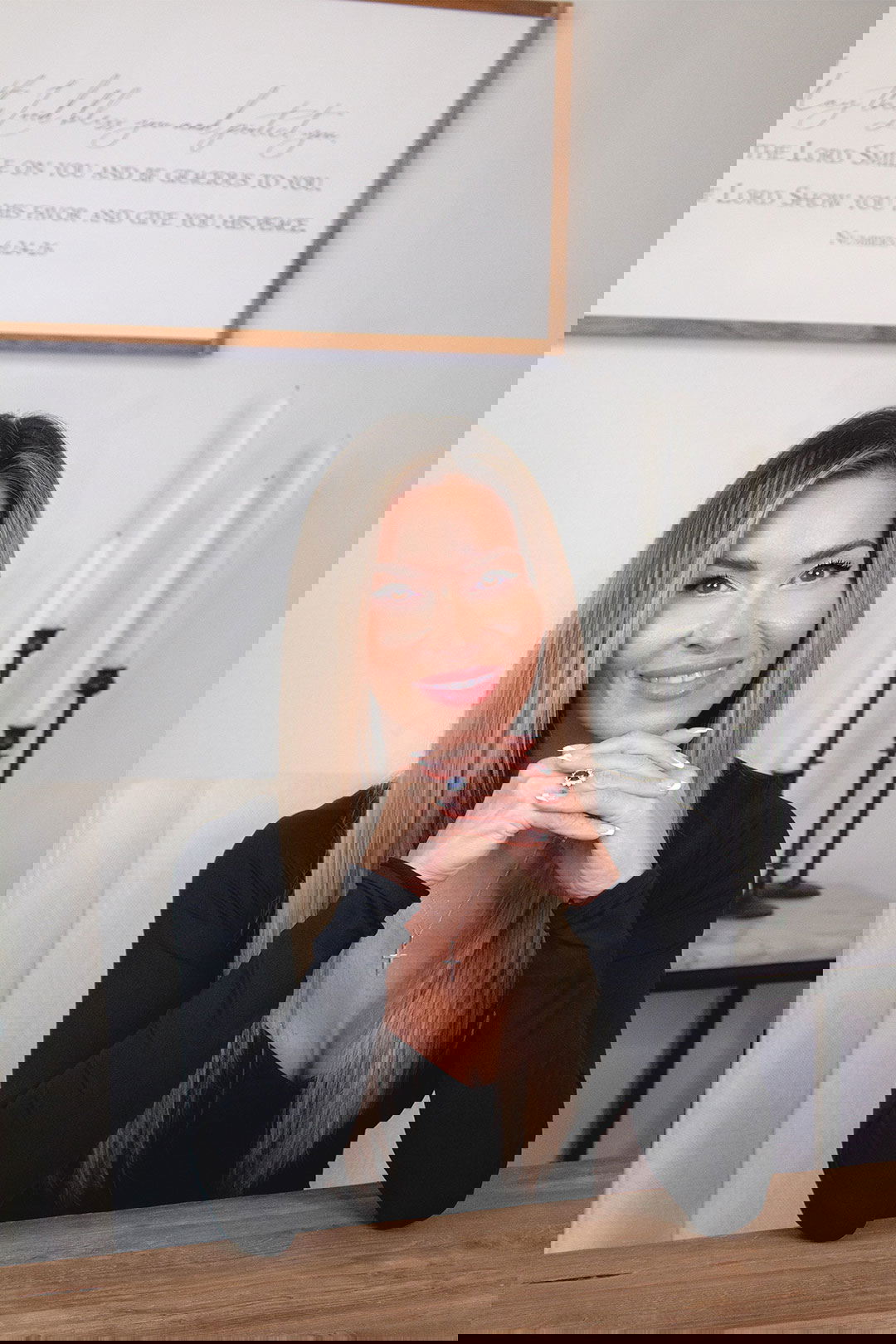
Meet Annie,
your guide to secure love.
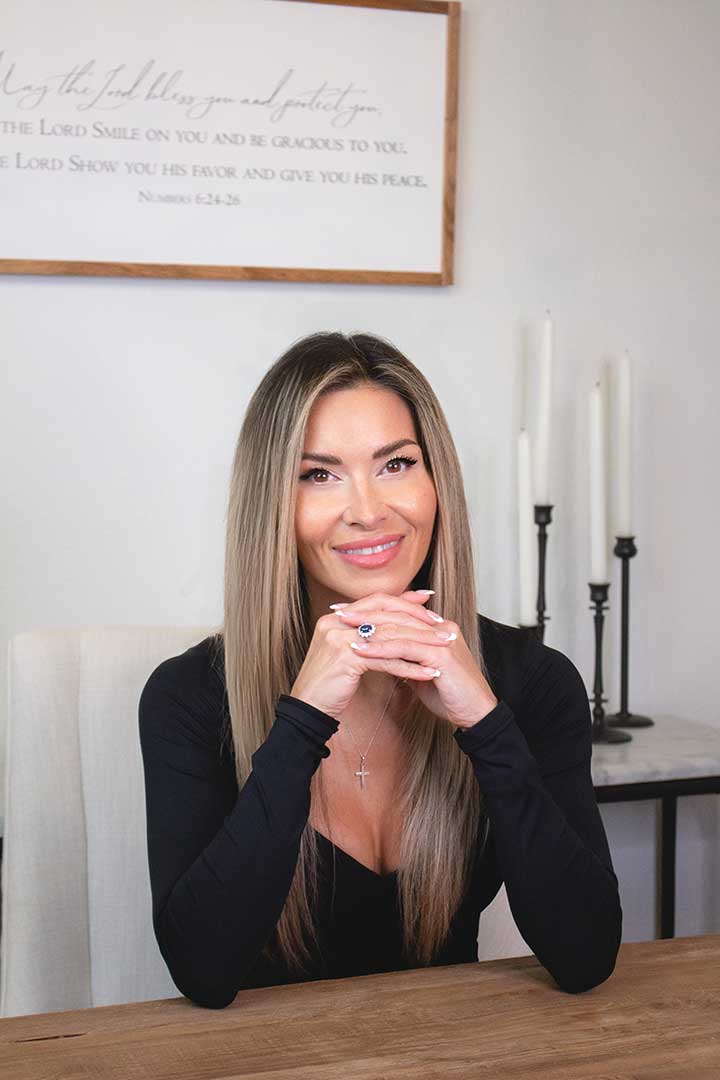
I know how painful it is to feel unseen, abandoned, or stuck in the same patterns. I’ve studied Attachment Theory deeply and worked with women who felt hopeless about love, and I’ve witnessed them transform. My mission is simple: to help you heal your core wounds, break free from repeating cycles, and finally create relationships that feel safe and fulfilling.
What Are The 4 Attachment Styles?
Attachment styles aren’t personality traits.
They are programmed patterns shaped by early bonding experiences with parents or caregivers and reinforced over time.
Your attachment style describes how you experience closeness, safety, and connection in relationships. It shows up in who you’re drawn to, how you handle emotional intimacy, what happens when conflict comes up, and how you respond when things feel uncertain. You can be intelligent, have great parents, and know what a healthy relationship looks like, yet still find yourself repeating the same emotional patterns once you care about someone.
That’s because attachment isn’t about what you know. It’s about what your nervous system learned early on and now runs on autopilot when connection matters.
Understanding your attachment style is about identifying what keeps affecting your relationships, why it keeps happening, the partners you’re drawn to that reinforce your fears or core beliefs and how it can change with the right tools and guidance. This allows you to stop repeating the same patterns and start choosing differently.
This work is rooted in neuroplasticity, the brain’s ability to form new patterns through repetition and emotional safety over time.
Below are the four attachment styles with a brief description of how each shows up in adult relationships.
Discover Your Attachment Style
“Awareness is the invitation. Period. Rewiring is the work."
Understanding your attachment style helps you recognize the patterns shaping how you connect, handle conflict, and show up in romantic relationships. Those patterns don’t change through awareness alone. They quietly repeat the same reactions, expectations, and emotional responses. This assessment helps you identify your attachment patterns so you can understand what’s influencing your relationship dynamics and begin changing them intentionally.
How we’ll work together
Discover
your attachment style and hidden patterns.
Rewire
your subconscious beliefs and heal your wounds.
Create
secure, loving, lasting relationships.
Real women. Real transformations.

"Working with Annie completely changed my love life. I used to feel stuck in painful cycles, always chasing someone who was never truly available. With her guidance, I finally understood my patterns, healed deep wounds, and now I’m in a stable, healthy relationship where I feel seen and valued. I honestly never thought this was possible."
"Aniedra made me feel understood from day one. She helped me see my worth, let go of anxiety, and stop settling. Now I know I am enough and deserve secure, lasting love."

"For years I believed something was wrong with me because every relationship ended the same way. Annie showed me I wasn’t broken, just repeating old patterns. With her process I gained clarity and confidence, and now I feel free and empowered to build the kind of love I’ve always wanted."
It’s time to stop waiting and start creating the love you deserve.
You’ve already spent enough time in cycles that don’t serve you.
Let’s make sure the next chapter of your life looks completely different.
It’s time to stop waiting and start creating the love you deserve.
You’ve already spent enough time in cycles that don’t serve you.
Let’s make sure the next chapter of your life looks completely different.
Anxious Preoccupied Attachment
Anxious Preoccupied individuals tend to crave closeness and often fear being abandoned, replaced, or emotionally deprioritized. Relationships may feel uncertain due to a deep subconscious fear of loss.
As a result, they may overthink, seek reassurance frequently, or become increasingly focused on the relationship when they sense distance. At the core of this attachment style is a strong desire for secure, consistent connection, which without the right tools can lead to patterns that feel difficult to change.
Dismissive Avoidant Attachment
Dismissive avoidant individuals tend to feel overwhelmed by intense emotions and excessive closeness. They often struggle to access their own emotional needs and may have difficulty understanding the emotional experiences of others.
When relationships become vulnerable or conflict arises, they may deactivate and pull away, leaving partners feeling neglected or unimportant. Although they value independence, many dismissive avoidant individuals still desire connection but struggle with the emotional closeness required to sustain it.
Fearful Avoidant Attachment
Fearful Avoidant individuals often experience relationships as chaotic or emotionally overwhelming. They may fluctuate between anxious and avoidant behaviors, pulling partners close at times and then pushing them away to create distance depending on the situation.
This push-pull dynamic can feel confusing for both partners. While they deeply crave love and connection, they often struggle to feel safe within emotional intimacy, which can lead to inconsistent or hot-and-cold relationship patterns.
Secure Attachment
Securely attached individuals communicate their needs clearly, build trust with relative ease, and maintain emotional balance in relationships.
They feel safe giving and receiving love and naturally create stable, healthy connections.
While secure individuals may still experience relational strain, especially when partnered with someone who is insecurely attached their steadiness supports healthy communication and repair.

© 2026 K.I.S.S. Relationships. All rights reserved.Unauthorized use or reproduction prohibited.